
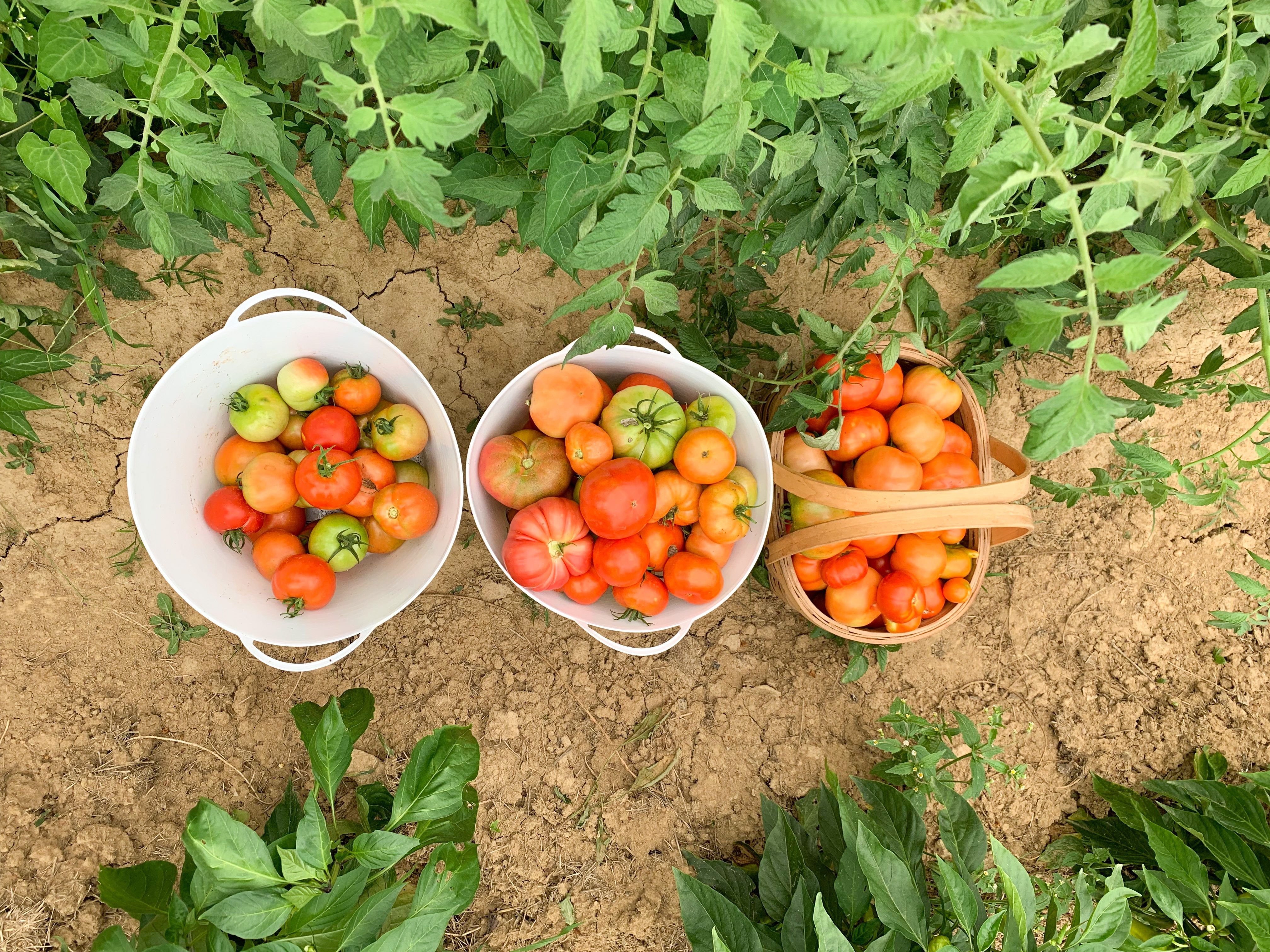

The last couple of years has been nothing short of an eye-opener for a lot of folks in regards to how our food is sourced. Grocery store shelves are often lacking or empty, prices on everything have skyrocketed, and a lot of places are rationing products. Who knows how long we will be in such a power struggle, but there are many ways to take matters into your own hands! One of the easiest ways is to start a garden!
I grew up gardening with my Mammaw and cousins every summer. We grew corn, potatoes, peppers, tomatoes…oooh the tomatoes. There is nothing much better than garden fresh fried green tomatoes! Not everyone had this luxury growing up. So I can imagine the thought of growing your own food can seem overwhelming and pointless, but FEAR NOT! I am here to help.
Where to start?
As with all things, you need to start with a plan. Ask yourself these questions…
- What produce do I/my family consume?
- How much space do I have?
- How much time do I have?
- Do I want to start my own seeds or purchase already started plants?
- Do I plan to eat fresh or store my harvest?
You don’t need the entire produce aisle to have a garden. Only grow the things you enjoy eating and start small. Do you like salads or maybe a burger with a juicy tomato? Start with a variety of lettuces and a few slicer tomatoes. Or maybe you’re a mashed potato connoisseur like me, start with a variety of potatoes! Maybe you don’t eat tomatoes, but you love spaghetti or pizza with a tomato-based sauce. Think outside the box to see what produce-based products you could grow and make at home.
Make some space!
Whether you are working with a small apartment patio or a 1/2 acre lot, you can have a garden. Figure out how much space you have to work with and start researching plant varieties for information like growing zone, harvest period, mature size, and yield. You can find this information online or on seed packs and plant tags located at your local nursery or farm store.
If you have a smaller space, look for plants that are determinate growers, which means they will only grow to a determined size. These types of plants can be easily planned for and even grown in containers, perfect for a patio garden! Trelissing type plants are also great for small spaces as they can vine vertically if given proper support.
Yield and mature plant size will help you determine how much you can grow.
- Calculate mature plant size + space requirements
- Use grid paper to plot your garden space using the spacing requirement + mature plant size
- Check yield estimates to see how much each plant will produce
So, if a plant requires 6″ of spacing, but the mature plant is 1.5′ wide, you will need to mark your grid paper for 6″ spacing between each plant and at least 2′ between rows. If you don’t plan enough space for the mature plant size, your garden will quickly become crowded and hard to work in.

What’s my timeframe?
This is largely going to depend on if you are starting your own seeds or buying already started plants. Starting seeds means you need to be sowing seeds indoors as early as January for some plants. If you miss your starting window, there may not be enough time in the season for the plant to mature. The indoor start date is typically listed on the seed packet.
Purchasing grown plants will take a little of the heat off because most stores will only sell what is in season and still has time to produce in your area. So, while you may need to start a pepper plant indoors in February, you can purchase a half-grown plant in June and it will still produce food. I personally like to purchase these plants as “fillers” for when I miscount plants or accidentally kill them.
There are definitely benefits to both. Seed starting at home will be cheaper and more beneficial in the long run. However, it does require more in-depth plant knowledge and has a higher initial cost ($250+ and $2.50+ per seed packet). Purchasing started plants from a farm store or nursery is more expensive in the long term, but is less stressful and has a lower initial cost ($3+ per plant). For your first growing season, I suggest buying your plants already started so you can get a feel for gardening. You wouldn’t want to invest in seed starting materials just to end up disliking the gardening game.

Seed Starting
If you are interested in starting your own seeds, check out my seed starting blogs, Correcting My Seed Starting Mistakes and Seedling Update, for a list of budget-friendly supplies and tips for growing indoors. As for sourcing seeds, I personally like ordering online due to the vast amount of information and varieties available. Here are a few online seed catalogs I recommend trying.
- Baker Creek Heirloom Seeds: https://www.rareseeds.com/
- Annie’s Heirloom Seeds: https://www.anniesheirloomseeds.com/
- Jung Seeds: https://www.jungseed.com/
- MI Gardener: https://migardener.com/
Seed packs will contain 15-100+ seeds depending on the variety of plant, but seeds will keep for years if kept dry. So, while you may only need 4-5 plants each year, you can organize the remaining seeds and store them for future gardens! I use a photo organizer like this one: 4″ x 6″ Photo and Craft Keeper

Harvesting
Are you wanting to eat fresh, seasonal produce or is your goal to preserve food for later use? It is easy to grow and eat fresh from your garden, but it does require a bit more space and planning to have enough to preserve. For example, you can pick a single tomato to make some fresh salsa, but you will need at least 7-8 pounds of tomatoes to make a batch of canned salsa. You can still preserve with a small garden, you just need to be mindful when gathering for fresh eating so you are leaving enough to preserve.
You will also need to stock up on canning and freezing supplies if you plan to preserve anything. Stock up on canning jars and lids now, later in the spring and throughout summer, supplies become scarce. You can also save glass jars and lids from foods you purchased at the store! I personally do this for most of my canning however the USDA does not recommend you do so for safety reasons.
If you have any additional questions on where to get started with your own garden, feel free to leave a comment or send us an email! I wish you all the best in your gardening adventures!
-Kristen




Leave a Reply to M.B. HenryCancel reply